
Practice-based research .10
The research I do when I'm not researching


The end of my first term as a PhD scholar:
On Wednesday 10th December 2025, we had our last taught session for the PgCert, the first part of a PhD where you can work to gain a post-graduate qualification that is the same level of a Masters. Rather than having a taught lesson, we were tasked to participate in a mini or mock conference. We had to share our research in the form of a 10-minute presentation in front of a panel arranged by the teaching staff.
So with the help of my brilliant supervisors, I prepared my short presentation. I have some incredible classmates who are researching some pretty powerful topics, topics not previously explored, so my favourite part of the session was listening to my peers.
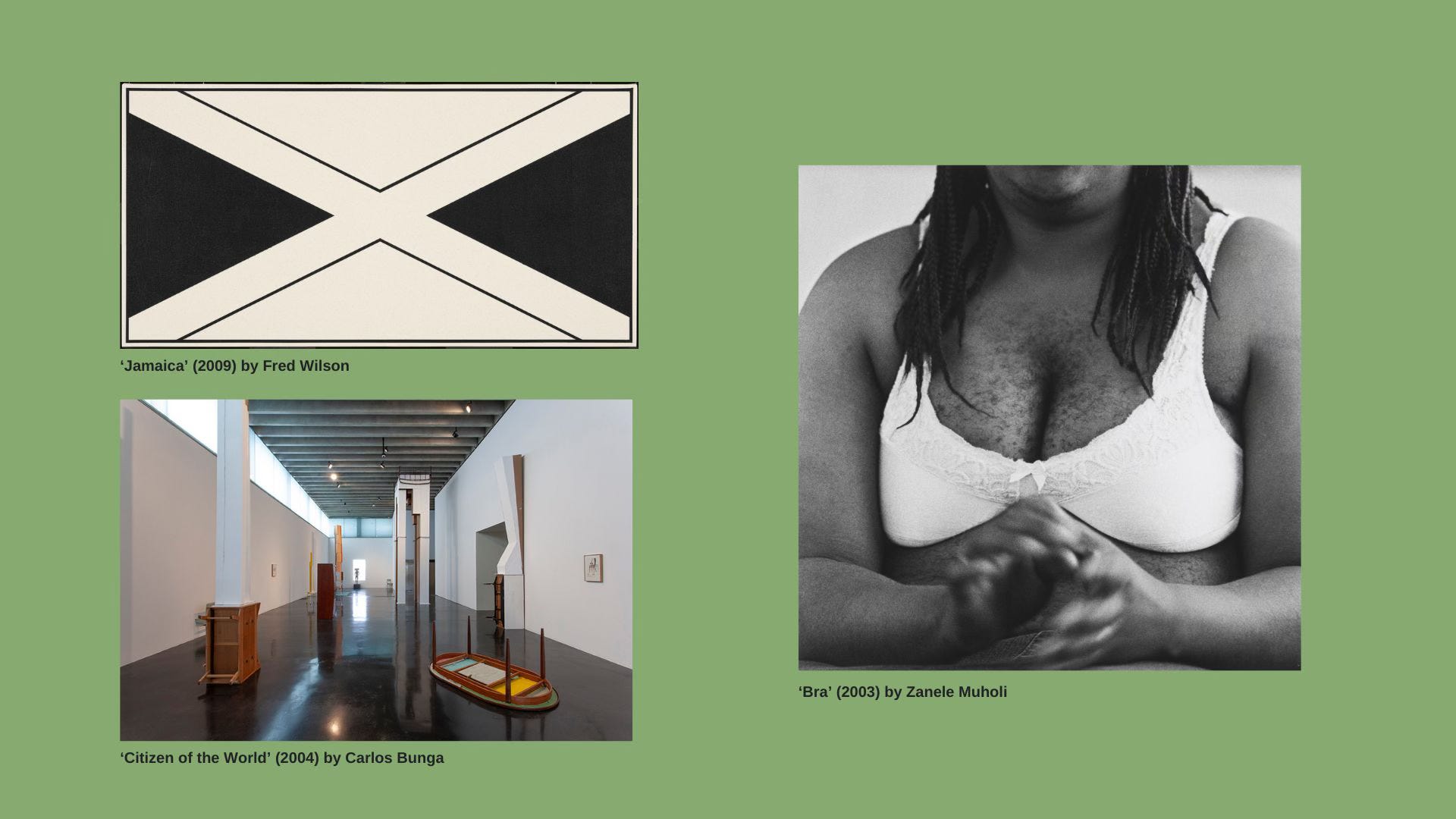
It was so helpful to talk so informally about what I am passionate about. To share with an intimate group why I am here, why I want to find these things out and why I want to use art to do it. I showed the work of Fred Wilson, Zanele Muholi and Carlos Bunga to represent the three elements of my research: Jamaican migration, Gender transition and understanding home.
I will say, even though I am enjoying the course and I enjoyed the presentation session, I am now feeling those anticipated deadline pressures. I am recognising just how difficult it is to align a disabled body with an academic term schedule, something I struggled with in my undergraduate too. To have a cocktail of disabilities, most of which can be soothed by being warm, studying in this English winter has been a new breed of challenging.
What kind of researcher will I be?
Speaking of deadlines, one of my assignments due in January is a reflective one. We are being asked to submit 3000 words (or equivalent in your practice) about our development as a researcher. I squeezed my fidget toy extra tight when they first set this assignment because I thrive at the opportunity to be creative, to think critically and express those thoughts visually felt like something I’d enjoy.
Maybe once I have submitted my ‘artefact’ (and checked if it is suitable to share in this space) I will link it to my January or February blog. But what I want to highlight is that during me working on this task, I have realised the importance of community in the academy.
I am so fortunate to be a part of the Stuart Hall Foundation Peer Network. A network made up of scholars and fellows (mostly from the Global Majority) studying at universities in the UK and internationally.
I went to my first Stuart Hall Foundation peer network forum a few weeks ago and I was overwhelmed by what it meant to sit in that zoom call with such knowledgable, hungry, queer1 minds. It felt great, it felt safe, and more than anything, it felt like a motivator to become a public intellectual.
Public intellectuals are:
The games I play, the games I watch:
As an aspiring public intellectual, someone who thinks about the thinking and is critical in the everyday, I reason with myself about the things I do when I am not ‘working’ and how theory applies to those more mundane bits. Everything I do tells me something about myself and since my main method is auto ethnographical, studying the self, the complete self, feels appropriate. And I am aware that this might just be me trying to convince myself that I am still being ‘productive’ when I haven’t actually put words on a page, but humour me as I share with you the research I do while I’m not researching.
I have officially become an ‘iPad kid’. I love tablet games, particularly ones that either allow me to create (Minecraft, township, Sims stuff like that) or games that ask me to solve or fix problems; Solitaire, Tetris, sorting bottles, etc.


It's clear to me that these types of games are reflected in my choice of methodology; my desire to solve something but also create, sums up my entire PhD methodology! For me, this playful hobby that I do between the academic work tells me more about myself than any reflective model could.
For most of my life as a fan of basketball, I haven’t been able to watch the NBA or WNBA live in the UK without paying a fee. Recently, there have been live streamings on Amaz0n Prime (yuck) and so I have been watch some games. So for a few nights a month during, I put down the iPad, I buy myself some snacks, treat myself to a can of something sweet and fizzy, and I set myself up on the sofa with my electric blanket set to 5. I tell my loved ones, ‘I’ll be watching the game tonight’ and if I am really lucky, I will even watch it with of them and teach them all about the rules of the game and talk about my favourite players. This interest in playing and watching games has become a big part of my ‘non-writing’ time and I am sure this will impact my research content itself in some strange and beautiful way.
I mentioned the word community earlier in this text regarding the peer network I am apart of but this prompted me to think a bit more about my ‘non-academic’ and more immediate and literal community. I would say that I am pretty well embedded and connected to my community, I attend the odd council meeting and know who my MPs are etc but this year was the first year in the eight years I have lived here that I wrote Christmas cards for people in my neighbourhood. I am not a particularly festive person but it was an act of recognising my neighbours and the relationship I have with them. What’s interesting is that when you live on a high street, business owners are you neighbours and it is important to show them just how valued they are, especially when they are under constant threat by ‘big Tescos’ and other large franchises.
The recently opened coffee shop with locally made sandwiches, the fishmongers that have been in the community for more than 30 years, the family-run butchers, the young and charming Turkish guys who run the off-licence, the Post-man that is so patient and uses gender-neutral pronouns with me on every occasion, even though he probably doesn’t really know what they mean. The Caribbean restaurant who give me a little taste of home when I am too tired to cook for myself those evenings after university, the charity shop staff who always tell me to have a nice day and the DIY store whose owner is very grumpy but will go out of his way to get something I need in stock. The local printers who ask me about what I am studying because I am always asking them to print my journals. My community, my unexpected, surprisingly diverse for the Black Country, community who know what I need before I even open my mouth. The ability to recognise who your community is, feels important in a time where we are using that word so generously. Perhaps because there might be a romanticising of the word community in online and purist discourse, an expectation for what it might look like or feel like, how easy people might think it is to maintain a community when it actuality, community is the neighbour who is actually not very nice and doesn’t share your same way of doing something, it might be your family who you actually find very difficult to understand. And so I will end this entry by asking myself who are my research communities and do our ideologies have to align in order for us to be in community?
My name is Exodus, many of my loved ones call me Exo for short. Exo has become a personal vow to love and hold myself and others, so with hugs and kisses, I thank you for reading. xoxoxo

Oh, and while you are here, please donate what you can to my top surgery Gofundme organised by my wonderful partner. :-)
I use the term queer here not describe sexuality or gender but queerness of thought and lifestyle. Queer as in, thinking about and doing things different to the hegemonic Western way.